How Kitchen Wall Tiling in Glenrothes Protects from Moisture Damage?
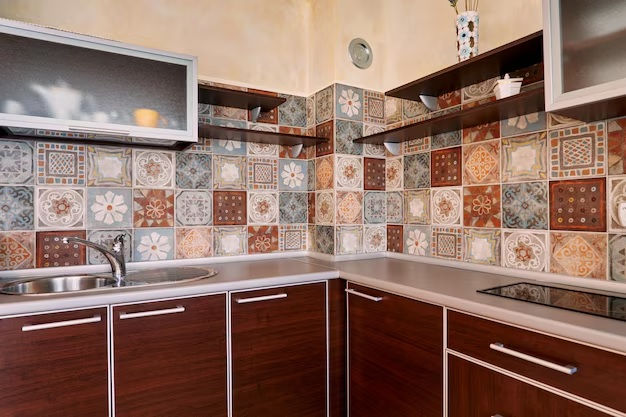
The kitchen is one of the busiest rooms in any home. It is a place where cooking, cleaning, and food preparation happen every day. With constant exposure to water, steam, grease, and humidity, kitchen walls can suffer from moisture damage if they are not properly protected.
This is why many homeowners choose kitchen wall tiling in Glenrothes as a practical and long-lasting solution. Wall tiles create a protective barrier that helps prevent water penetration, mold growth, damp patches, and costly structural repairs.
Whether you are renovating your kitchen or building a new home, investing in professional kitchen wall tiling can keep your walls safe and attractive for years.
Understanding Moisture Damage in Kitchens
Before looking at how tiles help, understand what moisture damage actually is.
Moisture damage occurs when water or humidity enters wall surfaces and building materials. Over time, this can cause:
Damp patches on walls
Peeling paint
Cracked plaster
Mould and mildew growth
Bad odours
Structural deterioration
Staining and discoloration
In kitchens, moisture comes from:
Cooking steam
Boiling water
Dishwashing
Sink splashes
Leaking pipes
Condensation
Without proper wall protection, these issues can become expensive to fix.
Why Kitchen Walls Need Extra Protection?
Kitchen walls experience more moisture exposure than many other areas of a home.
Areas Most at Risk
Behind Sinks
Water splashes frequently hit walls around sinks, gradually soaking unprotected surfaces.
Behind Hobs and Cookers
Steam and condensation from cooking can build up on surrounding walls.
Food Preparation Areas
Cleaning activities often involve water and cleaning products that can damage painted surfaces.
Around Appliances
Dishwashers and washing machines can produce humidity that affects nearby walls.
Professional kitchen wall tiling in Glenrothes provides a durable protective layer in these vulnerable areas.
How Wall Tiles Create a Moisture Barrier?
One of the biggest benefits of kitchen wall tiles is their ability to resist water.
Low Water Absorption
Ceramic and porcelain tiles absorb little moisture compared to painted plaster or wallpaper. This means water remains on the tile surface rather than soaking into the wall.
Protective Grout Systems
Modern grout products seal the spaces between tiles, preventing water from reaching the wall underneath.
Silicone Sealing
Professional installers use silicone sealing around sinks, worktops, and corners to create an additional waterproof barrier. Together, these elements form a strong defence against everyday kitchen moisture.
Preventing Mould and Mildew Growth
Mould is one of the most common problems caused by excess moisture.
Why Mould Develops?
Mould thrives in:
Damp environments
Poor ventilation
Humid conditions
Water-damaged surfaces
Painted walls and wallpaper can absorb moisture, creating ideal conditions for mould growth.
How Tiles Help
Kitchen wall tiles:
Stay dry more easily
Resist moisture absorption
Are easy to clean
Remove mould-friendly surfaces
This creates a healthier kitchen environment for families.
Protecting Wall Structures from Long-Term Damage
Moisture does not just affect the surface of a wall. Over time, water can penetrate deeper into building materials and cause:
Damaged plasterboard
Rotting timber structures
Loose wall finishes
Cracked plaster
Expensive repair costs
Professional kitchen wall tiling prevents these issues by stopping moisture before it reaches structural components.
Easy Cleaning Helps Maintain Dry Surfaces
Kitchen walls are regularly exposed to:
Grease splashes
Food spills
Steam residue
Cleaning products
Tiles provide a smooth surface that can be wiped clean quickly.
Benefits of Easy Maintenance
Less moisture retention
Reduced mould risk
Improved hygiene
Better appearance
Longer-lasting wall protection
Unlike painted walls, tiles do not require frequent repainting after cleaning.
The Best Tile Materials for Moisture Protection
Different tile materials offer different levels of moisture resistance.
Porcelain Tiles
Porcelain is one of the most water-resistant options available. Benefits include:
Low water absorption
High durability
Easy maintenance
Long lifespan
Ceramic Tiles
Ceramic tiles are also popular for kitchen walls because they offer:
Good moisture resistance
Affordable pricing
Wide design selection
Easy cleaning
Glass Tiles
Glass splashbacks and decorative wall tiles provide:
Complete water resistance
Modern appearance
Reflective surfaces
Easy maintenance
Choosing the right material helps maximise moisture protection.
Importance of Professional Tile Installation
Even the highest-quality tiles fail if they are installed incorrectly.
Common DIY Problems
Improper installation can lead to:
Loose tiles
Cracked grout
Water penetration
Uneven surfaces
Premature failure
Professional Installation Advantages
Experienced tilers ensure:
Correct surface preparation
Proper adhesive selection
Accurate tile alignment
Waterproof sealing
Long-lasting results
Professional workmanship is essential for achieving maximum protection against moisture damage.
Modern Kitchen Tile Designs That Combine Style and Protection
Today's homeowners want kitchens that are both practical and visually appealing.
Popular kitchen wall tile styles include:
Metro Tiles
A timeless choice for modern and traditional kitchens.
Large Format Tiles
Fewer grout lines mean easier cleaning and enhanced moisture resistance.
Patterned Tiles
Add character while maintaining protective performance.
Stone-Effect Tiles
Deliver a natural appearance without the maintenance concerns of real stone.
These options allow homeowners to protect their walls while improving kitchen aesthetics.
Additional Ways Tiling Improves Kitchen Durability
Beyond moisture protection, kitchen tiling for walls also offers:
Increased property value
Enhanced hygiene
Better stain resistance
Improved heat resistance
Long-term cost savings
Reduced maintenance requirements
This makes tiling one of the most practical kitchen investments for homeowners.
Signs Your Kitchen Needs New Wall Tiling
You may benefit from new kitchen wall tiles if you notice:
Peeling paint
Damp patches
Mould growth
Water stains
Cracked wall finishes
Outdated splashbacks
Frequent maintenance issues
Replacing vulnerable wall surfaces with professionally installed tiles can prevent further deterioration.
Conclusion
Moisture damage is a common issue in kitchens, but it can often be prevented with the right wall protection. Professional Kitchen Wall Tiling in Glenrothes creates a durable barrier against water, steam, condensation, and everyday wear. From preventing mould growth to protecting structural surfaces, wall tiles offer both practical and aesthetic benefits.
Whether you are renovating an existing kitchen or planning a new installation, investing in quality kitchen wall tiling creates a cleaner, healthier, and longer-lasting space.
With proper materials, expert installation, and effective sealing, tiled kitchen walls can provide reliable moisture protection for many years to come.


Comments